

When standard power grids fail during natural disasters or remote expeditions, communication equipment becomes the lifeline connecting people to assistance and information. Emergency communication kits serve this critical function, but their effectiveness depends entirely on reliable power storage. At Aokly, we recognize that selecting appropriate batteries for these kits requires understanding the unique demands placed on portable power sources. The 12V AGM battery has emerged as a preferred choice for serious preparedness planning, offering characteristics that match emergency scenarios exceptionally well. Examining these features explains why preparedness professionals consistently specify this technology for life-saving communication gear.
Sealed Construction Prevents Leakage Hazards
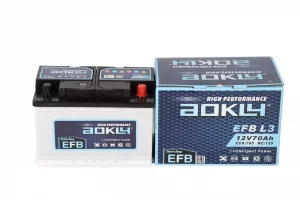
Emergency kits often endure rough handling during evacuations or while packed in vehicles traversing challenging terrain. The sealed design of a quality 12V AGM battery eliminates concerns about acid spills that could damage sensitive radio equipment or endanger users. Unlike traditional flooded batteries requiring upright orientation and vented compartments, the absorbed glass mat construction immobilizes electrolyte within fiberglass separators. This means a 12V AGM battery can operate in any position without leakage, fitting into compact emergency cases or backpack compartments efficiently. For comparison, an ordinary EFB auto battery, while improved over basic flooded designs, typically serves starting duties in conventional vehicles rather than portable emergency applications. The spill-proof nature of AGM technology provides peace of mind when kits must function after rough transit or accidental tipping.
Deep Discharge Recovery for Extended Outages
Communication during prolonged emergencies rarely follows predictable patterns. Users may transmit for hours, then remain in receive mode for days while awaiting news or coordination. A 12V AGM battery handles this irregular usage profile remarkably well, accepting deep discharges without the rapid capacity loss seen in other chemistries. When emergency transmissions drain the battery significantly, the ability to recover fully upon recharging becomes crucial. The recombination chemistry within AGM cells minimizes water loss during cycling, maintaining electrolyte levels throughout the battery’s service life. By contrast, an EFB auto battery optimized for engine start-stop duty cycles differently, prioritizing rapid recharge acceptance over deep discharge endurance. For emergency communication where depth of discharge varies unpredictably, the AGM construction proves more forgiving.
Low Self-Discharge During Storage
Emergency kits spend most of their existence waiting quietly in closets, vehicles, or shelters. Batteries must retain charge during these long dormant periods to function when called upon. A properly manufactured 12V AGM battery exhibits self-discharge rates significantly lower than conventional flooded options, often maintaining usable capacity for twelve months or more without recharge. This standby capability simplifies maintenance routines for organizations managing multiple kits across distributed locations. Checking and topping up charge annually rather than monthly reduces labor while ensuring readiness. While an EFB auto battery also demonstrates decent charge retention, its design emphasis on cranking power means different internal construction priorities than the deep-cycle variants preferred for stationary emergency storage.
Temperature Tolerance Across Environments
Emergency communication occurs everywhere from frozen mountain passes to sweltering desert conditions. The internal resistance characteristics of a 12V AGM battery allow reasonable performance across broad temperature ranges without the dramatic capacity derating affecting some alternatives. Cold environments slow all chemical reactions, but AGM construction maintains sufficient conductivity for radio operation when properly sized. Hot storage conditions accelerate grid corrosion in any battery, but the recombinant design reduces water loss that would otherwise dry out flooded cells prematurely.
Compatibility with Portable Charging Sources
Modern emergency preparedness often includes solar panels, hand cranks, or vehicle alternators for recharging. The charging efficiency of a 12V AGM battery suits these variable sources well, accepting current at rates compatible with modest solar inputs. Unlike some chemistries requiring precise voltage algorithms, AGM technology tolerates the imperfect regulation common in field charging scenarios.
Emergency communication reliability depends on power sources engineered for standby readiness, deep cycling resilience, and absolute safety during transport. The sealed construction, low self-discharge, temperature tolerance, and charging flexibility of the 12V AGM battery align perfectly with these requirements. At Aokly, we support preparedness efforts by providing power solutions that perform when communication matters most, ensuring users maintain contact with the support networks they depend on during crises.
