

When discussing modern portable power, several fundamental principles and technical terms frequently arise. As we at Aokly engage with clients and industry peers, we often find that clarifying these core concepts helps users make more informed decisions about their energy solutions. The landscape of rechargeable batteries contains specific terminology that, once understood, demystifies how these essential devices function in our daily lives. We believe that grasping these basics enhances appreciation for the technology powering everything from cordless tools to backup power systems.
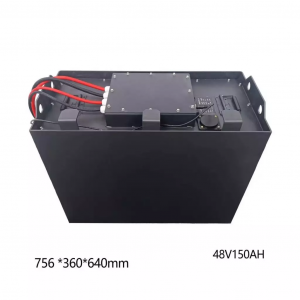
The Principle of Battery Cycle Life
One of the most frequently referenced specifications in our field is cycle life, which refers to the number of complete charge and discharge cycles a rechargeable battery can perform before its capacity falls below a certain threshold. For users of Aokly batteries, understanding this concept helps set realistic expectations for product longevity. Each time we use a device powered by a rechargeable battery and subsequently recharge it, we complete one partial or full cycle depending on usage depth. The chemical composition inside the cell determines how many cycles it can withstand. Nickel-based chemistries typically offer different cycle characteristics compared to lithium-ion variants. When we evaluate performance data for Aokly batteries, cycle life remains a primary indicator of long-term value. Manufacturers test these parameters under controlled conditions to provide reliable estimates, though real-world usage patterns inevitably introduce variables affecting actual cycle outcomes.
Capacity Ratings and Energy Density
Capacity, measured in milliampere-hours or watt-hours, indicates the total charge a rechargeable battery can store and deliver over time. This rating directly correlates with how long a device operates between charges. We frequently explain to customers that higher capacity doesn’t always mean larger physical size, thanks to advances in energy density. Energy density represents how much energy a rechargeable battery contains relative to its weight or volume. Lithium-based chemistries currently offer superior energy density compared to older technologies, which explains their prevalence in modern electronics. When we design applications around Aokly battery cells, capacity calculations must account for discharge rates and temperature conditions, as these factors influence usable energy. The relationship between capacity and runtime involves complex electrochemical dynamics that we continue studying to improve our recommendations.
Self-Discharge and Storage Considerations
A less visible but equally important characteristic involves self-discharge, the gradual loss of charge when a rechargeable battery sits unused. All electrochemical cells experience this phenomenon to varying degrees, with temperature playing a significant role in acceleration. Nickel-based batteries traditionally exhibit higher self-discharge rates than lithium-based alternatives, though modern formulations have narrowed this gap. We advise customers to store their rechargeable batteries in cool, dry conditions to minimize capacity loss during idle periods. Understanding self-discharge helps users maintain readiness for emergency equipment and seasonal devices. Our technical team continuously monitors these parameters to ensure optimal performance across all environments where portable power finds application.
In conclusion, familiarity with cycle life, capacity metrics, and self-discharge behavior empowers users to select and maintain their power sources appropriately. At Aokly, we remain committed to demystifying these technical aspects while delivering reliable energy solutions. The more we understand about how rechargeable batteries function, the better equipped we become to integrate them effectively into our increasingly mobile lifestyles.
