

When a critical power system shows signs of age, the internal energy source is often the first component to require attention. For businesses and home offices relying on uninterrupted power supplies (UPS), selecting a replacement unit involves more than just matching physical dimensions. The process requires a careful look at how the new component will interface with existing hardware, especially in setUPS designed for future growth. Ensuring seamless integration protects sensitive electronics from unexpected shutdowns and data loss.
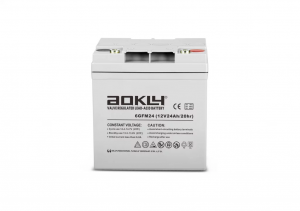
Confirming Voltage and Connector Requirements
The first step in any upgrade is to verify the technical interface between the old and new components. Voltage ratings must align precisely with the equipment’s specifications to prevent damage to connected devices. Similarly, the physical connectors and terminal types need to match the existing cabling and inverter connections. Using an incompatible unit can lead to poor conductivity or intermittent power loss, defeating the purpose of having a backup system. When we examine a potential UPS replacement battery, we at Aokly recommend cross-referencing the original part number with the new model’s datasheet to ensure electrical characteristics are identical. This diligence prevents costly mistakes and ensures the connected equipment receives clean, stable power during an outage.
Internal Management and System Communication
Modern UPS devices often communicate with the battery to monitor health and runtime. This communication relies on the internal management circuitry within the battery pack. A high-quality replacement must replicate the data protocols expected by the UPS main unit. If the management system does not communicate correctly, the UPS may display error codes, fail to estimate remaining runtime accurately, or refuse to charge the new pack. The chemistry and internal configuration of the replacement play a significant role here. For instance, a well-designed UPS replacement battery incorporates a Battery Management System (BMS) that mimics the original signals, allowing for seamless handshaking with the UPS logic board. This integration is vital for maintaining automated shutdown procedures and receiving accurate status alerts.
Scalability and Modular Configurations
For users with growing power demands, the ability to expand capacity is a significant advantage. Some UPS systems are designed to work with external battery banks or allow for parallel configurations. When selecting a replacement, considering how it fits into a modular setup can save money and space in the long run. Units with consistent performance metrics and robust casing are easier to combine in series or parallel configurations without introducing imbalances. We have observed that a reliable UPS replacement battery serves as a building block for larger power architectures, allowing users to start with a basic setup and add capacity as their equipment load increases. This approach avoids the need for a complete system overhaul when power requirements change, making the infrastructure more adaptable.
Upgrading the energy storage within a UPS involves careful attention to electrical standards, internal communication protocols, and future expansion plans. By focusing on compatibility at the connector level and ensuring the management electronics align with the host device, users can restore full protection to their critical systems. This thoughtful approach to integration keeps operations running smoothly during power disturbances.
